Smart meters for businesses – what they are, how they work and what to consider
If your energy bill arrives and you are unsure of your usage or expected monthly costs, it can make managing your energy difficult. Smart meters help businesses avoid this by sending readings automatically and providing visibility of energy consumption and costs in real time.
In this guide, we explain what a business smart meter is, how it works, who may be eligible to receive one, what the benefits are, and what to consider before installation.
TLDR
- Smart meters for businesses automatically send energy readings to suppliers, helping reduce estimated bills and manual meter readings.
- Smart meters provide clearer visibility of energy usage, costs and demand patterns, which can support better budgeting and operational decisions.
- A smart meter does not reduce energy unit rates by itself, but the data can help businesses identify waste and review tariff options.
- Smaller businesses and microbusinesses are commonly eligible, while larger or higher-usage sites may need AMR, advanced or half-hourly metering.
- Before installation, businesses should check eligibility, access requirements, possible disruption, data privacy and whether any direct or non-standard costs apply.
What are smart meters?
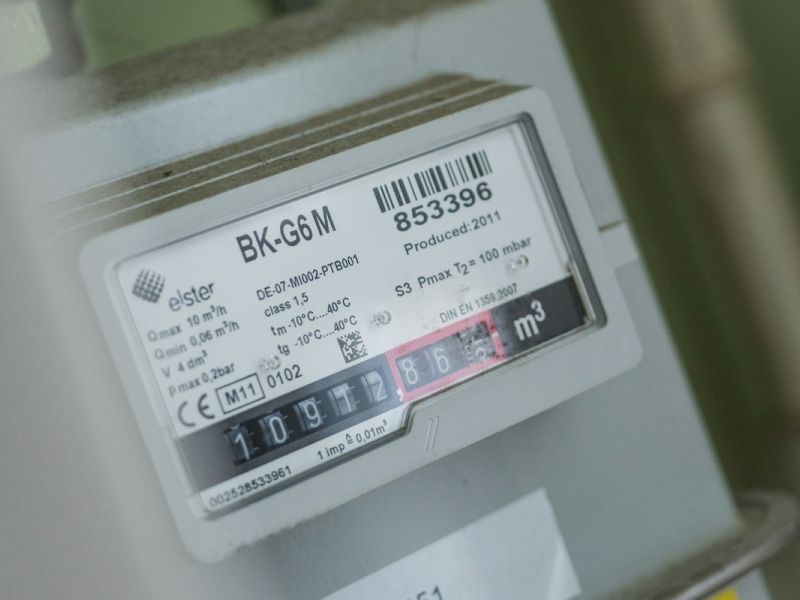
A smart meter is an electric digital energy meter that records energy use and wirelessly sends meter readings automatically to the energy supplier. A smart meter includes an interactive digital display, or online portal, allowing you to view usage, costs, current tariffs over different periods of time and in real time.
There are two types of models, SMETS1 and SMETS2. The latter is more interoperable and enables businesses to switch suppliers without issues. A SMETS1 may have limitations and best to check which version you have or is being installed.
Where are Business Smart Meters used?
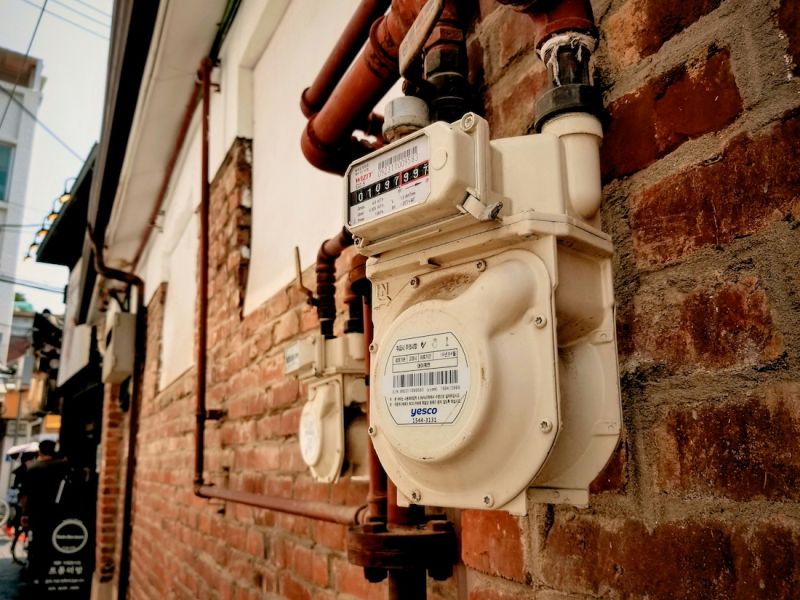
Business smart meters are used in non-domestic premises, including small businesses, microbusinesses and some larger commercial sites. They replace or upgrade older metering arrangements that may rely on manual readings, analogue displays or less frequent data collection.
How do business smart meters work?
A smart meter measures energy consumption digitally and sends readings remotely to the supplier. The system usually includes three parts:
- The meter itself
- A communication method that sends readings
- A display or online portal for the customer or supplier to view the data.
Smart meters operate and send data using a centralised data communication company (DCC) network. A smart meter does not rely on the business’s own Wi-Fi to send data. Some meters may provide frequent usage data, while others may be configured differently depending on the business’s eligibility, contract and metering setup.
Who is eligible for a business smart meter?
Many businesses may be eligible for a smart meter. However, they are more common in small businesses and microbusinesses. Larger or higher-usage sites may instead require an Automated Meter Reading (AMR) meter, or an advanced half-hourly meter.
Electricity and gas eligibility can also differ. For electricity, profile class, meter type and whether the supply is already half-hourly can influence the route. For gas, annual consumption and the existing meter arrangement may affect whether a smart or advanced meter is more suitable.
Check with your current supplier or energy broker as they can confirm whether the site is eligible for a smart meter and whether any alternative metering route is more appropriate.
What are the benefits of a smart meter for businesses?
Smart meters can give businesses clearer, more regular information about how and when they use energy. The main benefits include:
- Better visibility of energy use
A smart meter can help a business see how much energy it is using and identify periods of higher demand. This can make it easier to understand usage patterns across opening hours, shifts, sites or equipment. - Fewer estimated bills and manual readings
Because smart meters send readings automatically, businesses are less likely to rely on estimated bills or manual meter submissions. This can reduce admin, especially for businesses with multiple sites or hard-to-access meters. - More informed operational decisions
Smart meter data can help highlight where energy may be wasted. For example, a business may spot equipment being left on overnight, heating or cooling running outside trading hours, or demand peaking at expensive times. - Stronger budgeting and forecasting
Better consumption data can support more accurate budgeting, forecasting and internal energy reviews. This is most useful when the business actively reviews the information rather than treating the meter as a passive upgrade. - Better tariff and procurement discussions
Understanding when and how energy is used can help business owners have more informed conversations about tariffs, contract options and future energy needs. - Support for sustainability reporting
Depending on the level of data available and how the supplier presents it, smart meter data may support sustainability reporting or internal energy-efficiency work.
What tariffs and energy schemes can smart meters support?
Some tariffs and schemes depend on having suitable metering because the supplier or scheme operator needs accurate usage data. For example, time-of-use tariffs, where energy may be priced differently depending on when it is used. A smart meter can make this more practical because it can provide more detailed consumption data than a traditional meter.
Smart meters may also support export-related arrangements for businesses generating their own electricity, such as from solar panels, where accurate import and export data is needed. Demand flexibility schemes may also rely on smart-capable metering because they require evidence that a business reduced or shifted demand at certain times.
These opportunities will not suit every organisation. A business should assess whether its operating pattern, equipment and contract options make time-shifting or export worthwhile before assuming a smart meter will unlock savings.
What should businesses know before installation?
To have a smart meter installed, contact your energy supplier or broker to make a request or check for eligibility. The supplier may need details such as account information, meter identifiers, site contact details and access arrangements.
Installation may require someone to be present on site. There may also be a temporary interruption to the energy supply while the meter is exchanged, so timing matters. For some businesses, this may need to be planned around trading hours, production schedules, customer access or safety procedures.
Gas and electricity meters are separate, so they may not necessarily be replaced at the same time. If a business has more than one meter, the supplier may need to review each supply point individually.
Before the appointment, it is sensible to check meter access, confirm who can authorise the work and make sure any landlord or facilities-management permissions are in place where relevant.
Before confirming an appointment, ask your supplier whether any direct charge, additional work or non-standard metering cost applies.
What do UK energy regulators and government guidance say about smart meters?
Smart meter policy in Great Britain is set by the government, while Ofgem regulates supplier compliance with smart metering obligations. The previous Smart Meter Targets Framework ran from 1 January 2022 to 31 December 2025 and has now concluded. Under that framework, suppliers had binding annual targets for installing smart and advanced meters, including targets for relevant non-domestic premises.
The policy focus has now moved beyond the original rollout. GOV.UK has consulted on post-2025 non-domestic smart meter requirements, including proposed rules around ‘smart-contingent contracts’, while Ofgem has introduced stronger service standards for smart meter performance and support. For businesses, the key point is that smart meters remain part of the UK’s longer-term energy policy, but the rules are evolving. Before agreeing to an installation or smart-contingent contract, businesses should check what their supplier requires, what type of meter is being offered, and what support is available if the meter does not operate correctly.
What happens to business smart meter data?
Smart meter data can show how much energy a site uses and when it uses it, so businesses should treat it as operationally sensitive information. For domestic customers and microbusinesses, smart meter data is covered by the UK’s smart metering Data Access and Privacy Framework, which sets rules around who can access consumption data, for what purpose and with what level of customer choice.
For non-domestic business premises, the position depends on the type of customer and the nature of the data. UK GDPR applies where smart meter data is personal data, meaning it can identify a living person. This is more likely for sole traders, microbusinesses, home-based businesses or small premises where energy patterns could reveal individual working habits. For larger businesses, site-level consumption data may be less likely to identify an individual, but it can still be commercially sensitive because it may reveal operating hours, production patterns or periods of high demand.
In practical terms, suppliers can use smart meter readings for billing and account management, while access to more detailed data may depend on the customer type, the level of detail, consent and the purpose of use. Network operators and authorised third parties may also be able to access certain smart meter data under controlled conditions. Businesses should ask their supplier how often readings will be taken, who can access the data, whether it can be shared with third parties, and what choices they have over more detailed consumption data.
Common questions about business smart meters
Can a smart meter reduce business energy costs?
A smart meter does not reduce unit rates by itself. It records and sends usage data, so the cost benefit depends on how the business uses that information. For example, better data can help identify wasted energy, unusual usage patterns or opportunities to review tariffs.
Are smart meters free for businesses?
Although the digital device with the display may be free, many businesses do not pay a direct upfront charge for a smart meter installation. However, that does not mean the rollout has no cost. Supplier installation and metering costs can be recovered through energy bills or wider supplier charging structures, so it is worth confirming the position with your energy supplier before agreeing to an installation.
Is it compulsory to have a smart meter fitted at your business?
Smart meters are not generally compulsory for business customers. However, suppliers have had obligations to offer smart or advanced meters to eligible homes and smaller non-domestic premises as part of the wider rollout. For businesses, the practical point is to check whether your site is eligible, what type of meter is being offered, and whether an alternative metering route, such as AMR or half-hourly metering, is more appropriate.
What is the difference between an Automated Meter Reading (AMR) meter and smart meter?
Automated Meter Reading, or AMR, meters also send readings remotely, but they are not the same as standard smart meters. AMR meters are often used for larger or more complex business sites and may not offer the same customer-facing smart functionality, supplier interoperability or data access as a smart meter. Your supplier or broker can confirm which metering route is suitable for your site.
Can a smart meter work with prepayment?
Some smart meters can operate in prepayment mode or be switched remotely between payment modes, depending on the supplier, contract and meter setup. Businesses using prepayment should check how top-ups, billing and account management would work before installation.
Who owns the meter?
The smart meter is usually not owned by the business. Ownership typically sits with the meter operator or relevant metering provider, while the business remains responsible for giving access where required and reporting any issues to the supplier.
What if the meter stops sending readings?
If a smart meter stops sending readings, the supplier may need to investigate the meter, communication setup or account configuration. In some cases, manual readings may still be needed while the issue is resolved.
Need help with business smart meter installation?
Choosing the right metering route depends on your site, usage profile, current meter setup and future energy needs. Professional Energy Services can help businesses assess eligibility, arrange smart meter installations and review whether a smart meter, AMR meter or half-hourly meter is the most suitable option. Our energy consultants can also help you interpret usage data, identify opportunities to reduce waste and make more informed decisions about tariffs, contracts and long-term energy management. Contact us today to learn more.