Business energy metering installations: Choosing the right meter
The type of business energy meter can affect how accurately your organisation is billed, how clearly you understand your energy consumption, and how well you can manage energy costs. Business energy metering installations involve fitting a gas or electricity meter at a commercial premises so usage can be measured and billed.
This guide explains why meters matter, when a business may need a new meter, how installation works, who is involved, the different type of meter and how commercial electric meter installation and commercial gas meter installation differ.
Why metering matters when comparing business energy suppliers
Accurate metering gives businesses a stronger basis for comparing energy suppliers. If recent bills are based on estimates, incomplete reads or outdated usage patterns, suppliers may price against assumptions rather than the way the site actually operates.
Before comparing contracts, it is worth checking whether usage data reflects current trading hours, equipment, tenant occupancy and seasonal demand. This is especially important for growing sites, multi-site businesses and organisations that have recently changed how they operate.
Better metering can help businesses:
- Challenge estimated bills with actual consumption data
- Reduce billing disputes caused by inaccurate or incomplete readings
- See whether consumption is rising or falling
- Identify usage peaks by time of day, shift pattern or operating area
- Spot avoidable out-of-hours consumption
- Assess whether a time-of-use tariff may be relevant
- Decide whether sub-metering is needed for tenants, departments or operational areas
- Check whether supplier quotes reflect actual demand rather than assumptions
When might a business need a new energy meter?
A business may need a new energy meter for several reasons, common triggers include:
- Moving into a new commercial property without a suitable existing meter
- Sets up a new gas or electricity connection when building or fitting our new premises
- Increasing electricity or gas capacity
- Installing machinery or high-demand equipment
- Splitting usage across tenants, departments or operational areas
- Replacing an old, faulty or unsuitable meter
- Upgrading to smart, AMR or half-hourly metering
A new meter may also be needed if the current metering arrangement does not match the way the business operates. For example, a site using more energy overnight may need a different tariff and meter setup from an office that mainly operates during standard working hours.
How do you arrange a business energy meter installation?
Arranging a business energy meter installation usually starts with confirming the supply details for the premises. You will typically need to identify whether the site already has a gas or electricity supply point, what type of meter is needed, and whether any additional connection work is required.
The process often involves four stages:
- Confirm the site details and supply numbers
- Choose the right meter type for the business
- Clarify who is responsible for each part of the work
- Agree installation costs and book the appointment
For a straightforward meter replacement, the process may be relatively simple. For a new connection, larger site, higher-capacity supply or half-hourly meter, more planning may be needed. This can include technical checks, a site survey, paperwork and coordination between the supplier, network operator or meter operator.
Before booking an installation ensure you have the following:
- The business name and site address
- Contact details
- MPAN for electricity
- MPRN for gas
- Current supplier details
- Expected energy use
- Site access information
- Any known cabling, pipework or connection requirements
An MPAN, or Meter Point Administration Number, identifies an electricity supply point. An MPRN, or Meter Point Reference Number, identifies a gas supply point.
Who is responsible for meter installation?
Responsibility can sit with several parties, depending on the site and the type of work required.
- Commercial Electric Meter Installing – The energy supplier is often the first point of contact, but other parties may be involved. A Meter Operator, often shortened to MOP, may install and maintain certain electricity meters. A Distribution Network Operator, or DNO, manages the local electricity network and may be needed where a new connection, supply upgrade or network-side work is require For half-hourly electricity meters, additional roles may be involved, including a Data Collector and Data Aggregator, which help collect and process consumption data for settlement and billing.
- Commercial gas Meter Installation –The gas supplier, gas transporter or meter asset provider may be involved depending on the circumstances. Gas work also has specific safety requirements, so qualified professionals must handle installation, pipework or meter relocation.
Landlords can also be part of the process. If the business rents its premises, permission may be needed before moving a meter, changing supply arrangements or altering site infrastructure.
When working on an installation project, confirm responsibilities early. Delays often happen when a business assumes one party is handling a task that actually sits with another provider.
What type of business energy meter do you need?
The right meter depends on your energy consumption and business operations, for example, a small office with predictable working hours will need a different metering setup from a manufacturer, restaurant, warehouse or multi-tenant building.
Common business meter types include:
Single-rate meters
- Standard Meter – This is the most common type of meter and uses one unit rate when measuring energy consumption which means the cost is the same for every unit. Standard meters require manually readings on premise’s which you can send yourself or a meter reader visits, if you do not send meter readings then businesses are placed on estimated billing which can lead to overspending or underpaying and unexpected future bills.
- Business Smart Meter (AMR & SMETS) – instead of manually having to check your meter and send readings, smart energy meters provide constant live usage data which are sent back directly to suppliers for accurate billing, the live data also helps business owners cut energy bills as gain a better understanding on what appliances contribute to usage.
- Half-hourly (HH) meters – for businesses with high energy needs, typically more than 100,000 kWh per year, half hourly meters take readings half-hourly and submit them back to suppliers. Manual readings are no longer needed and billing is more accurate. , so it’s certainly worthwhile opting to select this meter as you may be legally required to. HH meters are more common to high consumers and therefore found in large retail, manufacturing and factories.
Two-rate meters
Two-rate or variable-rate meters charge two different rates for different times of the day for peak and off-peak usage. There are two rate electricity meters known as Economy 7 and economy 10 meters, or time of user meters, their off peak/peak use is set to daytime and night time usage, which is set at a seven or ten-hour period. Also it’s possible for different rates on weekends vs weekdays and reduced weekend rates could be beneficial for businesses with more weekend consumption for example.
Three-rate meters
Similar to the two-rate, a three rate enables all these variables in one meter, so there is a different rate for peak, off-peak and separate weekend rate.
Prepayment meters
If you want to control your energy spend upfront, then prepayment meters are an option. However it is uncommon as a more expensive way to pay for energy. It’s mainly seen in microbusinesses such as startups and pop-up shops.
Submeters
Sub-meters measure energy use within a specific area of a site, rather than across the whole premises. They can be useful for multi-tenant buildings, large commercial sites or businesses that want to track consumption by department, unit, equipment group or operational area.
Sub-metering does not replace the main fiscal meter used for supplier billing, but it can provide more detailed internal data. This can help with tenant recharging, identifying high-use areas and making more informed energy efficiency decisions.
How to match meter types to business needs
We’ve summarised the above meter types that are most likely best for different business types in the table below:
| Meter Type | Business Type |
| Small office or shop | A single-rate meter may be enough if usage is predictable |
| Restaurant, takeaway or leisure venue | Two-rate or time-of-use metering may be worth reviewing if usage is higher outside standard hours |
| Manufacturer or warehouse | Three-phase supply and half-hourly data may be more relevant |
| Multi-tenant commercial property | Sub-metering can help separate usage by tenant, unit or operational area |
| Business receiving estimated bills | Smart, AMR or half-hourly metering may improve billing accuracy |
Why does single-phase or three-phase electricity supply matter?
Single-phase and three-phase electricity supply describe how power is delivered to a premises. This matters because the supply type affects what equipment the site can support and what kind of commercial electric meter installation may be required.
Single-phase supply is typically used by smaller premises with lower power requirements. It may suit offices, small shops and other businesses without heavy machinery or high electrical loads.
Three-phase supply provides a more stable option for sites with higher power needs. It is often associated with larger commercial premises, workshops, warehouses, manufacturing sites or businesses running high-demand equipment.
If a business is installing new machinery, expanding production or increasing electrical capacity, it may need to check whether the existing supply and meter are suitable. In some cases, this may involve the DNO as well as the supplier or meter operator.
What should businesses know about commercial gas meter installation?
Commercial gas meter installation has specific practical and safety considerations. The meter must be positioned where it can be accessed, read, maintained and connected safely to the gas supply.
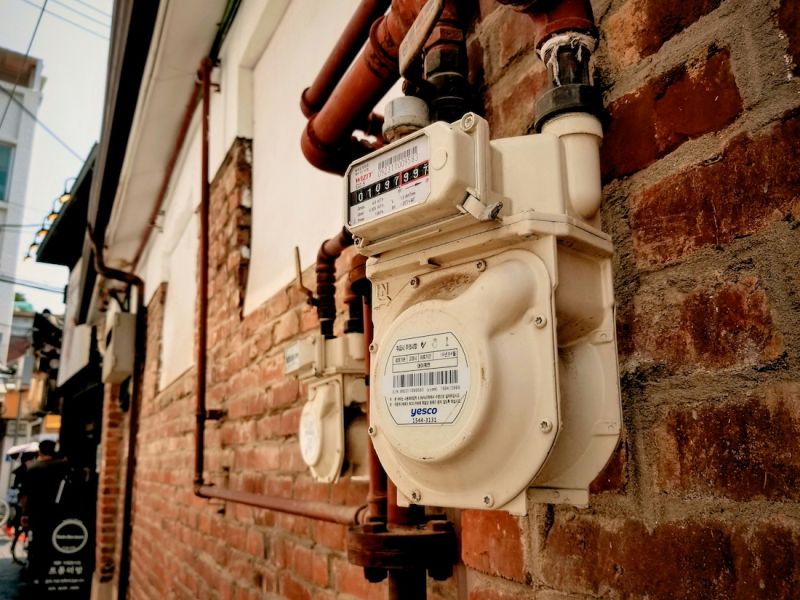
Gas meters may be installed indoors or outdoors, depending on the premises, pipework and available space. Outdoor meters may need a suitable box or housing. Indoor meters may be required where external placement is not practical, but the installation still needs to meet relevant safety and access requirements.
If a gas meter needs to be moved, the route of the pipework and the location of the gas supply entry point can affect what is possible. This is not just an administrative change; it may involve technical work, site checks and qualified installation.
How much does business energy meter installation cost?
Business energy meter installation costs vary because the work depends on the site, meter type and installation complexity. A simple meter exchange is different from a new connection, a larger supply upgrade or a project involving multiple meters across several premises.
Cost can be affected by:
- Meter type
- Gas or electricity requirements
- Site location
- Ease of access
- Existing infrastructure
- Capacity requirements
- Cabling, pipework or isolator needs
- Provider or installer charges
- Whether new connection work is required
Some suppliers or providers may include certain standard installation work as part of a supply arrangement, while more complex projects may involve additional charges. Businesses should confirm what is included before agreeing to work, especially where the site needs extra infrastructure or fast-track installation.
How long does business energy meter installation take?
Installation times depend on the type of meter, the condition of the site and whether extra connection work is needed. A straightforward meter installation may be completed more quickly than a new connection, capacity upgrade or multi-meter project.
Timescales can be affected by:
- Appointment availability
- Whether the site is ready
- Whether MPAN or MPRN details are registered
- The need for DNO or gas network involvement
- The complexity of cabling or pipework
- Whether the installation is gas, electricity or both
- Site access and attendance
- The number of meters or premises involved
For larger or more complex sites, a project plan, desk-based assessment or site survey can help identify issues before installation day and set realistic timescales.
Early planning matters because meter installation is often linked to wider business timelines, such as opening a site, moving premises or starting production.
Common mistakes businesses make with meter installations
Many installation delays or billing issues come from practical details being missed early in the process. Common problems include:
- Booking an installation before the site is ready
- Supplying the wrong MPAN or MPRN
- Assuming the supplier, landlord or network operator is handling the next step
- Choosing a meter type without considering operating hours
- Overlooking future capacity needs when installing new equipment
- Failing to use improved metering data when comparing future energy contracts
What should businesses review after installation?
A new meter is only useful if the data is reviewed. After installation, businesses should check whether bills are based on actual readings, whether the meter details match the energy account, and whether usage patterns reflect real operating hours.
It is also worth reviewing whether there is unexpected overnight or weekend consumption, whether high-use periods match known equipment use, and whether the new data improves future contract comparison.
How Professional Energy Services can help you choose the right metering route
The right metering route should reflect how your business uses energy, how reliable your current data is, and what you need from future procurement. Meter choice is not just a technical decision; it can affect installation planning, contract comparison and long-term energy management.
For many businesses, the most useful starting point is to review the site, current supply setup, recent meter data and any planned operational changes. This helps identify whether the existing meter is still suitable, whether an upgrade is needed, and whether any connection or capacity work should be considered before contracts are reviewed.
Professional Energy Services can support businesses with metering installations and guidance on what meter to select. Our team provides a full-service metering package as we also liasai with relevant third parties such as DNOs and data collectors and aggregators on your behalf. Our consultants can help you understand your current setup, compare suitable options and use better energy data to make more informed decisions.
Contact us to discover how we can support your metering and long-term energy management strategy.